Εξερεύνηση βιώσιμων και βιο-βασισμένων υλικών για κατασκευές χαμηλών εκπομπών άνθρακα
Εκπαιδευτικοί Στόχοι: Αυτό το μάθημα στοχεύει να προσφέρει στις ΜΜΕ και στους επαγγελματίες του τομέα του Habitat μια ολοκληρωμένη κατανόηση του ρόλου των βιώσιμων και βιο-βασισμένων υλικών στην απανθρακοποίηση του …
Επισκόπηση
Εκπαιδευτικοί Στόχοι:
Αυτό το μάθημα στοχεύει να προσφέρει στις ΜΜΕ και στους επαγγελματίες του τομέα του Habitat μια ολοκληρωμένη κατανόηση του ρόλου των βιώσιμων και βιο-βασισμένων υλικών στην απανθρακοποίηση του δομημένου περιβάλλοντος. Εξετάζει τον ενσωματωμένο άνθρακα, την αξιολόγηση του συνολικού άνθρακα στον κύκλο ζωής, καθώς και το ευρωπαϊκό κανονιστικό πλαίσιο, ενώ παράλληλα αναλύει τις τεχνικές, περιβαλλοντικές και οικονομικές επιπτώσεις της χρήσης ξυλείας, βιο-βασισμένων και υλικών χαμηλών εκπομπών άνθρακα.
Το μάθημα εξοπλίζει τους εκπαιδευόμενους με τις απαραίτητες γνώσεις για την ερμηνεία δεδομένων κύκλου ζωής, την κατανόηση των εξελισσόμενων πολιτικών κατευθύνσεων της ΕΕ και τη λήψη τεκμηριωμένων αποφάσεων σχετικά με την επιλογή υλικών, σε ευθυγράμμιση με τους στόχους της κλιματικής ουδετερότητας, της κυκλικής οικονομίας και της βιώσιμης χρηματοδότησης.
Κύριες ιδέες:
- Ο ενσωματωμένος άνθρακας καθίσταται ολοένα και πιο καθοριστικός παράγοντας για την κλιματική απόδοση των κτιρίων, καθώς οι εκπομπές κατά τη λειτουργία μειώνονται.
- Τα βιο-βασισμένα υλικά προσφέρουν σημαντικές δυνατότητες αποθήκευσης άνθρακα, υποκατάστασης συμβατικών υλικών και ανάπτυξης κυκλικών αλυσίδων αξίας, όταν προέρχονται από βιώσιμες πηγές και σχεδιάζονται κατάλληλα.
- Η απανθρακοποίηση υλικών υψηλών εκπομπών, όπως το τσιμέντο, απαιτεί τόσο τεχνολογική καινοτομία όσο και στρατηγικές βελτιστοποίησης των υλικών.
- Οι κυκλικές προσεγγίσεις (όπως η επαναχρησιμοποίηση, η ανακύκλωση και τα «διαβατήρια υλικών») μετατρέπουν τα κτίρια σε μακροπρόθεσμες «αποθήκες» υλικών.
- Τα εργαλεία πολιτικής της ΕΕ (EPBD, CPR, EU Taxonomy, Στρατηγική Βιοοικονομίας) αναδιαμορφώνουν σταδιακά τις αγορές υλικών και τις επενδυτικές αποφάσεις.
Διδακτέα ύλη
- 4 Ενότητες
- 8 Μαθήματα
- Απεριόριστα
- Υλικά και απανθρακοποίηση στο πλαίσιο της ΕΕ3 Items
- Βιο-βασισμένα υλικά στις κατασκευές5 Items
- Οικολογικά και κυκλικά δομικά υλικά3 Items
- Για περισσότερες πληροφορίες2 Items
Διδάσκων

Μπορεί να σας ενδιαφέρει
Ψηφιακός Μετασχηματισμός στην ΕΕΚ
Το μάθημα αυτό αποτελεί σημείο εκκίνησης του MOOC «Ψηφιακές δεξιότητες στην ΕΕΚ», καθιερώνοντας ένα κοινό πλαίσιο αναφοράς για την κατανόηση του τρόπου με τον οποίο...
Ανάπτυξη και Υλοποίηση Ψηφιακής Εκπαίδευσης
Με βάση την εισαγωγική προσέγγιση του ψηφιακού μετασχηματισμού που παρουσιάστηκε στο προηγούμενο μάθημα, το παρόν μάθημα επικεντρώνεται στην παιδαγωγική μεταφορά αυτού του μετασχηματισμού σε δομημένες...
Ψηφιακές δεξιότητες για πράσινη και συμπεριληπτική μάθηση
Το μάθημα αυτό αποτελεί επέκταση του MOOC «Ψηφιακές δεξιότητες για τη διδασκαλία στην ΕΕΚ» και μεταφέρει τις ψηφιακές παιδαγωγικές ικανότητες σε ευρύτερες κοινωνικές προτεραιότητες, αναδεικνύοντας...
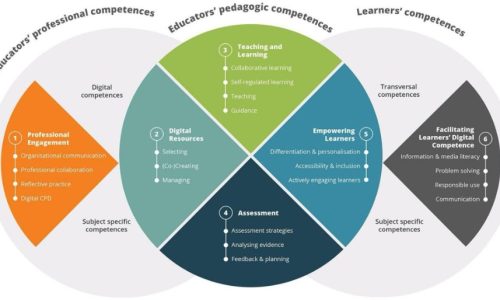
Ηγεσία και Ανάπτυξη Ψηφιακών Δεξιοτήτων
Το μάθημα αυτό ολοκληρώνει το MOOC Ψηφιακές δεξιότητες για τη διδασκαλία στην ΕΕΚ, δίνοντας έμφαση στις θεσμικές προϋποθέσεις που απαιτούνται για τη μακροπρόθεσμη βιωσιμότητα του...
Κατανοώντας την Εκτεταμένη Πραγματικότητα (Extended Reality)
Εκπαιδευτικοί Στόχοι: Σκοπός του μαθήματος αυτού είναι η αποσαφήνιση των θεμελιωδών εννοιών της Εκτεταμένης Πραγματικότητας (XR), διασφαλίζοντας τη συνοχή και την κατανόηση των εξειδικευμένων μαθημάτων...
Χαρακτηριστικά μαθήματος
- Διαλέξεις 8
- Κουίζ 2
- Διάρκεια Δια βίου πρόσβαση
- Επίπεδο δεξιοτήτων Όλα τα επίπεδα
- Γλώσσα English
- Μαθητές 0
- Μετρήσεις Ναι